Ceylon Cinnamon vs Cassia: Which Is Better for Your Health?
If you've ever picked up a jar of "cinnamon" at the grocery store, there's a good chance it wasn't real cinnamon at all. Most of what's sold as cinnamon worldwide is actually cassia — a cheaper, harsher cousin of true Ceylon cinnamon. The difference isn't just about flavor. It affects your liver, your blood sugar, and your long-term health if you use it daily.
This guide breaks down exactly what separates Ceylon cinnamon from cassia, which one is safer for everyday use, and how to tell them apart before you buy.
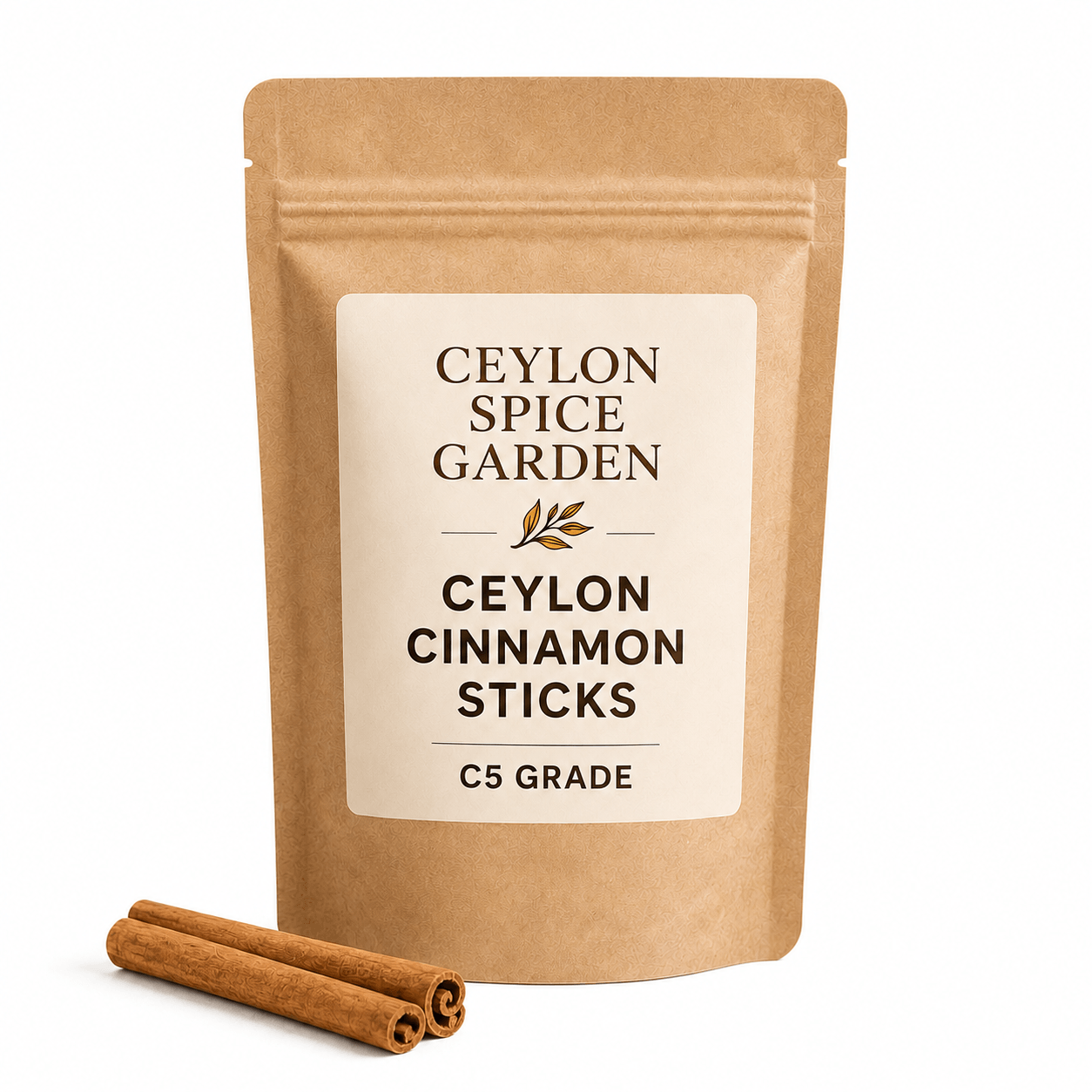
Is Ceylon Cinnamon Better Than Cassia?
Yes. Ceylon cinnamon is considered the healthier choice because it contains only trace amounts of coumarin, a natural compound that can damage the liver in high doses. Cassia cinnamon contains up to 1,200 times more coumarin than Ceylon cinnamon, making it risky for daily or long-term consumption, especially for people who use cinnamon supplements, drink cinnamon tea regularly, or have existing liver conditions.
Ceylon cinnamon is also sweeter, milder, and more delicate in flavor, while cassia is stronger, spicier, and more bitter — which is why cassia is often used in baking where a bold flavor is wanted, while Ceylon is preferred for daily wellness use, tea, and dishes where a smoother taste matters.
What Is the Difference Between Ceylon Cinnamon and Cassia?
Ceylon cinnamon (Cinnamomum verum) is often called "true cinnamon" and grows almost exclusively in Sri Lanka. Cassia (Cinnamomum cassia) is grown mainly in China, Vietnam, and Indonesia and accounts for roughly 90% of the cinnamon sold globally.
| Feature | Ceylon Cinnamon | Cassia Cinnamon |
|---|---|---|
| Botanical name | Cinnamomum verum | Cinnamomum cassia |
| Origin | Sri Lanka | China, Vietnam, Indonesia |
| Coumarin content | Very low (trace) | High |
| Flavor | Mild, sweet, delicate | Strong, spicy, slightly bitter |
| Texture (bark) | Thin, multi-layered, crumbly | Thick, single-layered, hard |
| Color | Light tan/brown | Reddish-brown |
| Safety for daily use | Considered safe | Risk with regular high intake |
| Price | Higher | Lower |
How Can You Tell Ceylon Cinnamon From Cassia? (Visual & Physical Test)
This is one of the most searched questions, because the two look similar at first glance but are easy to tell apart once you know what to look for.
Look at the stick structure. Ceylon cinnamon sticks are made of many thin, papery layers rolled together, similar to a cigar with several delicate layers visible from the side. Cassia sticks are thick, hard, and usually form a single rolled layer or a curled quill shape.
Check the color. Ceylon cinnamon is a lighter tan-brown. Cassia is a deeper reddish-brown.
Try to break it. Ceylon cinnamon crumbles easily between your fingers. Cassia bark is dense and hard to snap.
Taste it. Ceylon cinnamon has a subtly sweet, mild flavor with almost no bite. Cassia has a stronger, hotter, more pungent taste.
Check the label. In many countries, only true Cinnamomum verum can legally be labeled "Ceylon cinnamon." If a product simply says "cinnamon" with no botanical name or origin, it's very likely cassia.
Is Cassia Cinnamon Safe to Eat?
In small, occasional amounts — like a sprinkle on oatmeal a few times a week — cassia is generally considered safe for most healthy adults. The concern arises with regular, high-dose use, such as daily cinnamon capsules, cinnamon supplements for blood sugar support, or cinnamon tea consumed multiple times a day over weeks or months.
Health authorities in the EU have set a tolerable daily intake for coumarin because of its link to liver toxicity at high exposure levels. Since cassia's coumarin content is so much higher than Ceylon's, people who use cinnamon therapeutically or daily are advised to switch to Ceylon cinnamon alba o avoid cumulative coumarin exposure.
Which Cinnamon Is Better for Blood Sugar and Diabetes?
Both types of cinnamon contain compounds that may support healthy blood sugar levels, but Ceylon cinnamon is the safer option for anyone using cinnamon consistently for this purpose. Because blood sugar support typically requires regular, ongoing intake rather than occasional use, the coumarin risk from cassia becomes far more relevant. Ceylon cinnamon allows for daily use without the same liver-related concerns, making it the preferred choice among people managing blood sugar through diet and natural supplementation.
Which Cinnamon Is Better for Cooking and Baking?
This depends on what you're making.
Use cassia when: you want a bold, spicy flavor for recipes like cinnamon rolls, spiced cookies, curries, or mulled wine, where the cinnamon needs to stand out against other strong flavors.
Use Ceylon cinnamon when: you're making tea, smoothies, oatmeal, desserts with delicate flavor profiles, or any dish where you want warmth without overpowering bitterness — and especially when the cinnamon will be consumed daily.
Many professional bakers and chefs actually prefer Ceylon for desserts because its sweeter, more complex flavor doesn't need to be masked by extra sugar the way cassia's sharper taste sometimes does.
Why Is Ceylon Cinnamon More Expensive Than Cassia?
Ceylon cinnamon costs more because the tree only grows well in Sri Lanka's specific climate and soil, the bark has to be hand-peeled by skilled workers in thin layers, and the yield per tree is lower than cassia. Cassia trees grow faster, produce thicker bark that's easier to harvest, and are cultivated at a much larger commercial scale, which keeps the price low. The price difference reflects genuine differences in rarity, labor, and quality — not just marketing.
How to Buy Real Ceylon Cinnamon (And Avoid Fake Products)
Because "cinnamon" isn't a regulated term in many markets, mislabeling is common. To make sure you're getting authentic Ceylon cinnamon:
- Check that the label specifically says "Ceylon cinnamon" or "Cinnamomum verum," not just "cinnamon."
- Look for Sri Lanka listed as the country of origin.
- Examine the bark structure — genuine Ceylon cinnamon sticks have visible, thin, layered rolls.
- Buy from a supplier that sources directly from Sri Lanka rather than a generic spice blender.
Ceylon Spice Garden sources true Ceylon cinnamon directly from growers in Sri Lanka, along with other authentic Sri Lankan spices and botanicals like blue lotus flower (Nymphaea caerulea). Because the cinnamon is sourced at origin rather than through third-party distributors, buyers can verify they're getting Cinnamomum verum rather than a cassia substitute sold under a generic "cinnamon" label.
Ceylon Cinnamon vs Cassia: Final Verdict
For occasional use in cooking, cassia is fine for most people. But if you use cinnamon daily — in tea, coffee, smoothies, or supplements — Ceylon cinnamon is the better choice because of its low coumarin content, milder flavor, and better safety profile for long-term consumption. Cassia's strong flavor works well in baking, but it isn't the cinnamon you want to rely on every single day.
The short version: cassia is what most people accidentally buy, and Ceylon is what most people should actually be buying. click here blue lotus buy
Frequently Asked Questions
Is Ceylon cinnamon the same as regular cinnamon?
No. "Regular" or generic store-brand cinnamon is almost always cassia, not Ceylon. Ceylon cinnamon is a distinct species (Cinnamomum verum) with a milder taste and much lower coumarin content.
Can I use cassia cinnamon every day?
Occasional daily use in small amounts is generally tolerated by healthy adults, but regular high-dose use is not recommended due to coumarin buildup. Ceylon cinnamon is the safer option for daily, long-term use.
Why does my cinnamon taste bitter?
A bitter, hot aftertaste is a common sign of cassia cinnamon. Ceylon cinnamon has a milder, sweeter taste with little to no bitterness.
Does Ceylon cinnamon help with weight loss?
Ceylon cinnamon isn't a direct weight-loss agent, but its compounds may support healthy blood sugar and metabolism, which some people incorporate into a broader weight management routine.
Where can I buy authentic Ceylon cinnamon online?
Look for suppliers that source directly from Sri Lanka and clearly label the product as Cinnamomum verum. Ceylon Spice Garden ships authentic Ceylon cinnamon and other Sri Lankan botanicals, including blue lotus flower, worldwide.
Comments
Post a Comment